Alternatives to Focusrite for connecting the Shure SM7B
If you're setting up your rig with a Shure SM7B or another XLR mic, you've probably heard the same recommendation again and again: use a Focusrite. And yes, it's a very popular option because it works well, is easy to use, and usually delivers good results. But it is not the only way to get a clean voice with enough gain.
The key with this microphone is not just connecting something over USB, but choosing an interface or solution with low noise, enough gain, and a setup that is comfortable for daily use. That is what really makes the difference.
What a good Focusrite alternative should have
Before buying, keep these points in mind:
- Clean gain so the SM7B does not sound too quiet.
- Low latency and a quiet preamp.
- 48V phantom power if you want to use a Cloudlifter or a similar booster.
- Stable USB connection and easy use on PC.
- Monitoring control if you stream or record.
Recommended alternatives
These are some options that work very well with the Shure SM7B. I am leaving the structure ready so you can later change the image and Amazon link for each one.
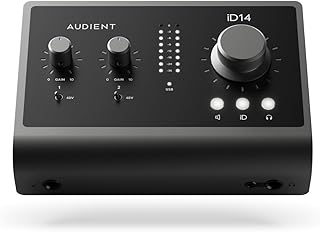
This is one of the most balanced choices if you want a very clean sound and a quality preamp without making things too complicated. It works really well for voice, home recording, and streaming, especially if you want a small but serious interface.
Compatible with Cloudlifter: yes, because it provides 48V phantom power to feed it.
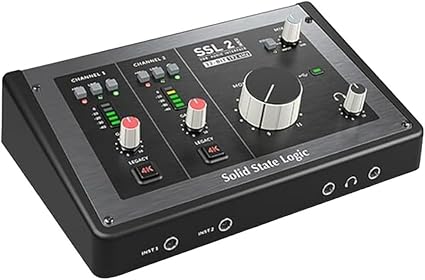
It is often praised for its audio quality and because it offers a very straightforward experience from the first use. It is a good pick if you want a clear step up from basic interfaces and value a transparent sound.
Compatible with Cloudlifter: yes, it also includes 48V, so it can power it without any issue.
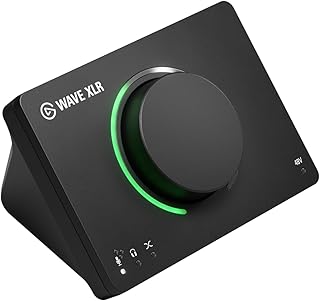
It stands out if you stream and want better control over your audio from the computer. Its integration with Elgato's ecosystem is very convenient and is designed for users who want speed, easy mixing, and a modern workflow.
Compatible with Cloudlifter: yes, it is one of the most convenient options if you want to use a booster and control everything from the PC.
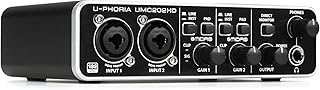
This is a more affordable alternative for users who want to get started without spending too much. It does not feel as premium as other options, but it can still work very well if you plan to use a booster or do not need advanced extras.
Compatible with Cloudlifter: yes, as long as you enable 48V phantom power on the interface.
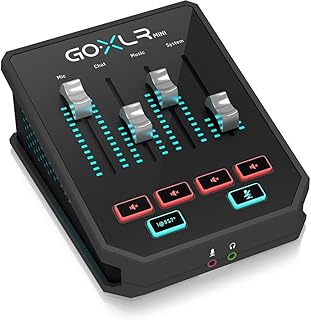
This is a very interesting option if you do live streams and want to manage several audio sources easily. It is not as focused on simple recording as some other interfaces, but for streaming it offers very practical control.
Compatible with Cloudlifter: I would not recommend it as the first choice for an external booster, so if Cloudlifter support is your priority, it is better to choose one of the other interfaces in the list.
If your voice is low, add a booster
The Shure SM7B needs quite a bit of gain, so if you have a quieter voice or want to avoid pushing the interface too hard, an inline amplifier can help a lot. The Cloudlifter is still one of the best-known solutions for that.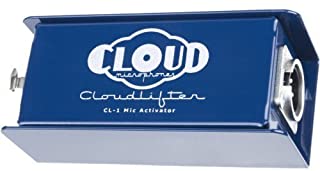
With a solution like this, you can use more normal interfaces without having to force the preamp as much. In practice, that reduces noise and improves the final result quite a bit.
Which option should you choose?
- If you want something simple and good sounding, Audient iD4 MkII or SSL 2 are very solid choices.
- If you are a streamer and want more audio control, Wave XLR or GoXLR Mini fit better.
- If you want to save money, Behringer UMC202HD or UMC204HD can be enough, especially if you add a booster later.
Final recommendation
If you do not want to overcomplicate things, look for an interface that gives you a clean signal and enough volume without noise. Focusrite works well, but it is not essential. For most SM7B setups, any of these can be a good alternative if the interface provides clean gain and, when needed, 48V to power a Cloudlifter.